Early literacy is more than learning letters, it’s about identity, belonging, and imagination. For African children, stories that reflect their own lives are powerful tools of confidence and curiosity.
1. Representation Builds Confidence
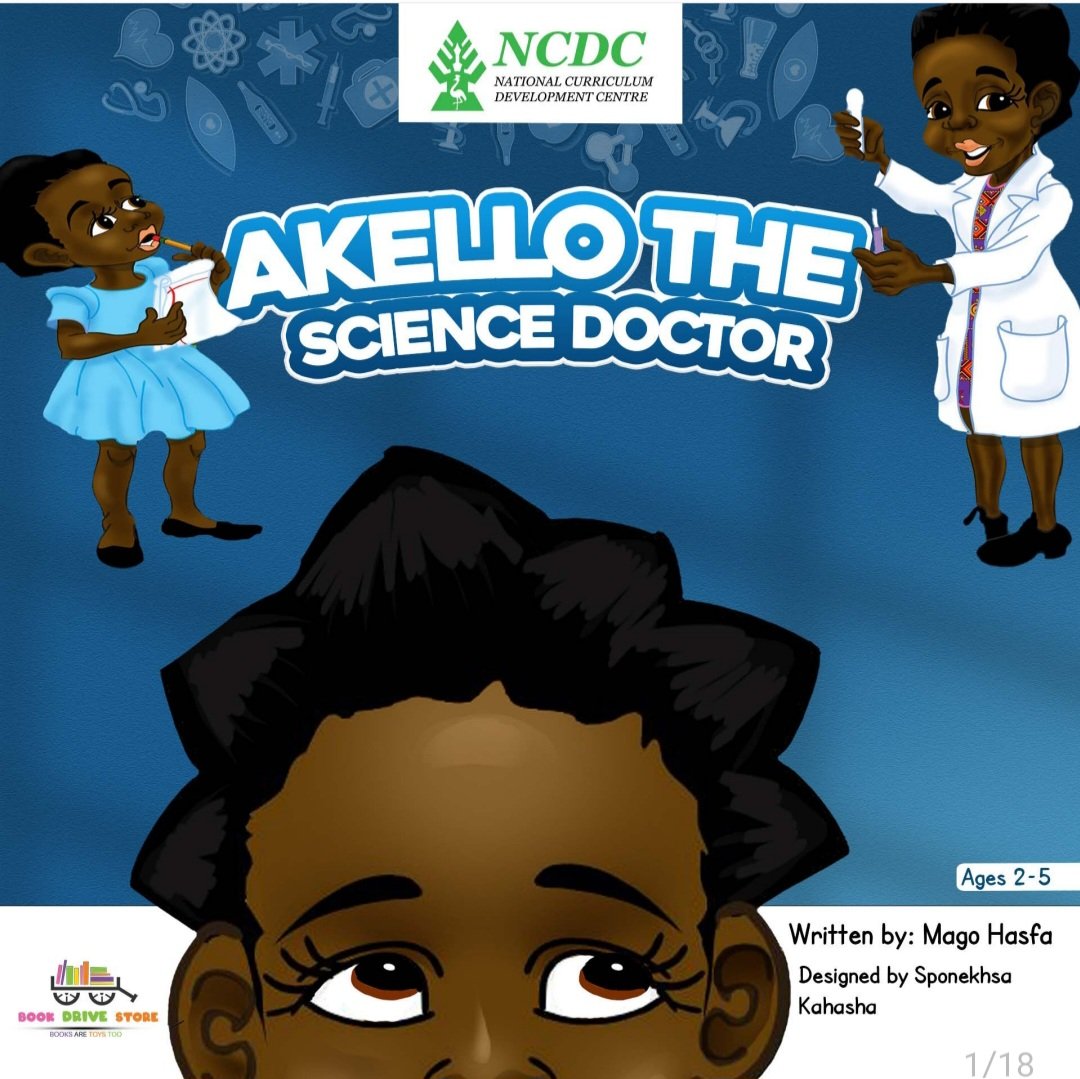
When children see their names, foods, homes, and cultures in books, reading becomes familiar instead of foreign. It tells them: You belong in the story.
2. Cultural Relevance Improves Understanding
Children learn better when stories connect to what they already know. Local settings, relatable characters, and familiar challenges deepen comprehension and spark deeper conversations.
3. Preserving Culture Through Storytelling
African folktales, values, and traditions passed down through stories help children understand their roots while shaping their future.
4. Inspiring Future Writers & Thinkers
African stories empower children to imagine themselves as heroes, creators, and problem solvers—planting seeds for a new generation of storytellers.
Conclusion
African stories are not just books—they are mirrors, bridges, and tools for transformation.
Every relatable story nurtures a confident African reader.